
County of Wellington Social Services partners with all levels of government and a broad network of local organizations to provide equitable access to child care and early years programming, housing and homelessness supports, income supports and other community resources.
This page highlights key priorities and calls to action for federal and provincial governments to address critical gaps in:
Children's Early Years Housing Services Ontario Works
Sustainable funding today prevents higher social and economic costs tomorrow.
Children’s Early Years Advocacy Priorities

- Sustain and increase Canada-Wide Early Learning and Child Care (CWELCC) funding to ensure affordable child care and increase access to child care spaces.
- Allow fee subsidy use in any licensed child care programme, not just CWELCC- enrolled programmes.
- Implement a Provincial wage grid for Registered Early Childhood Educators (RECEs) starting at $35/hour.
Why This Matters Locally
Cost to Parents: Without CWELCC, local infant care costs could jump from $484 to over $1,300 per month, preventing parents from participating in the labour force.
Access Rates: Wellington’s child care access rate is only 23%. We need 615 more spaces to reach the provincial target of 37%.
Subsidy Access: Due to CWELCC, 19% of Wellington-Guelph’s licensed spaces are inaccessible to families who need fee subsidy for child care.
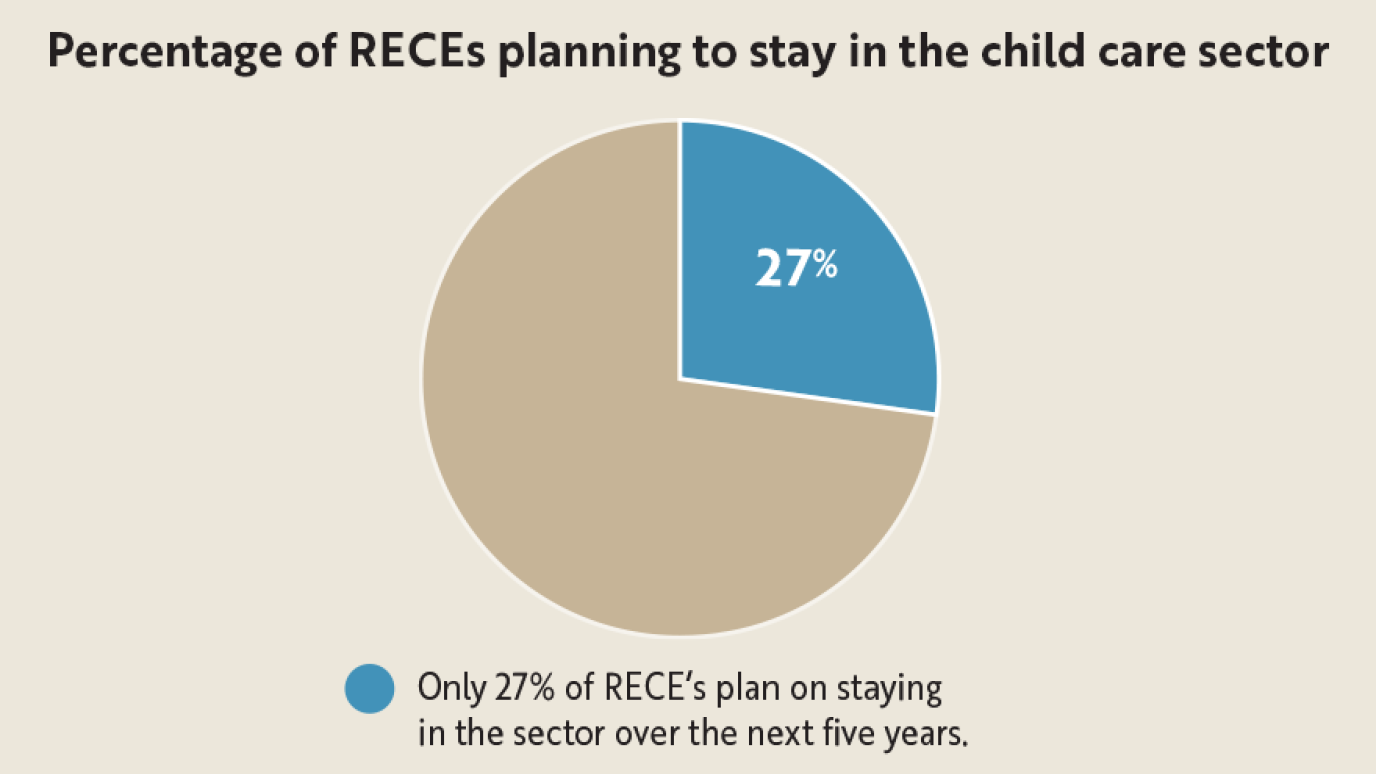
Workforce Stability: RECE wages ($24.86/hour) barely meet the local living wage. Insufficient compensation leaves programmes struggling to recruit and retain staff or expand child care spaces, severely impacting the quality of child care.

Why This Matters Locally
Rising Rental Costs: Since rent control was removed for new units, average three-bedroom rents have increased 23% in Wellington-Guelph, reaching $2,091/month.
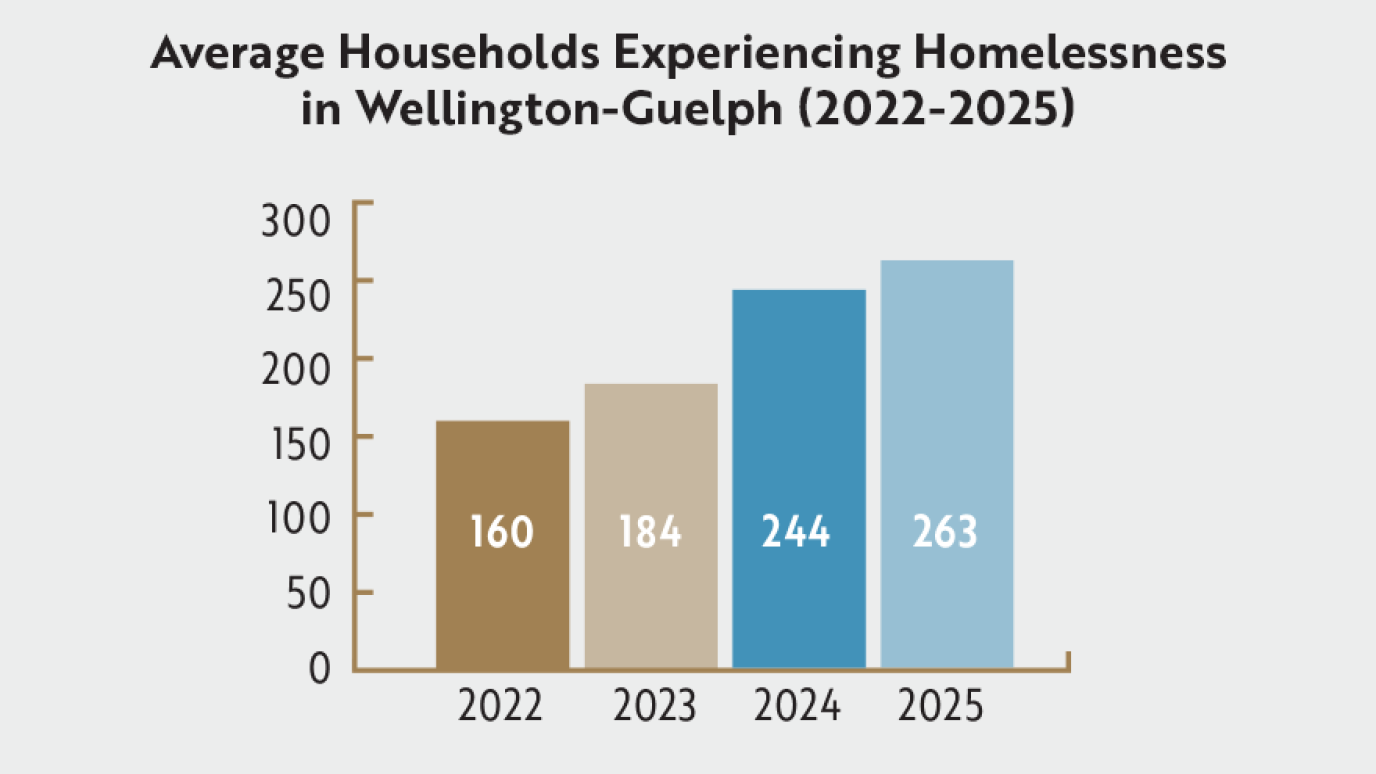
Homelessness Crisis: An average of 263 households a month in Wellington-Guelph experience homelessness. Nearly half are first-time cases.
Alternative Housing Solutions: Over 70% of unhoused individuals in Wellington-Guelph face mental health or substance use challenges, highlighting the need for supportive and transitional housing.
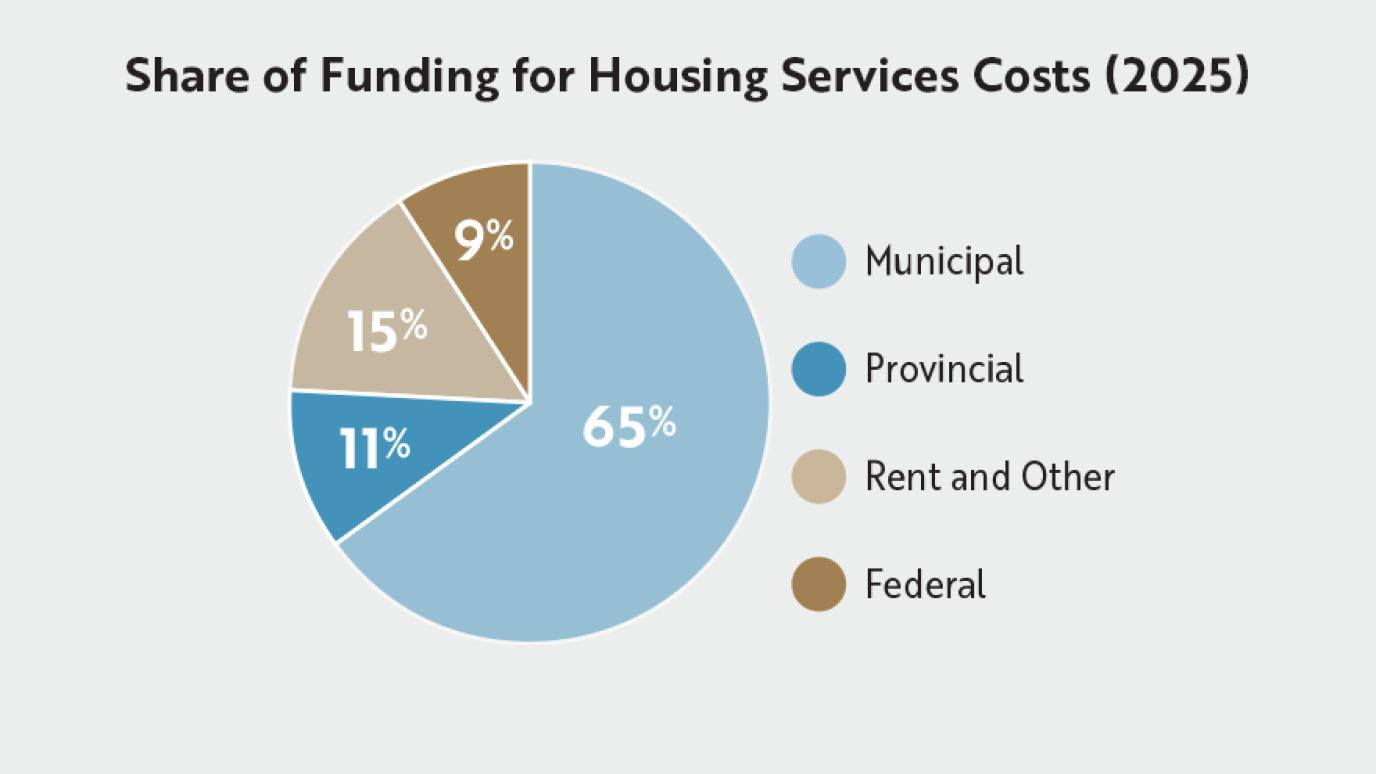
Funding Imbalance: Across the province, municipalities are covering more than their fair share of funding. In Wellington-Guelph, municipal contributions covered 65% of housing services costs in 2025, while provincial and federal contributions accounted for just 11% and 9%, respectively.

Why This Matters Locally
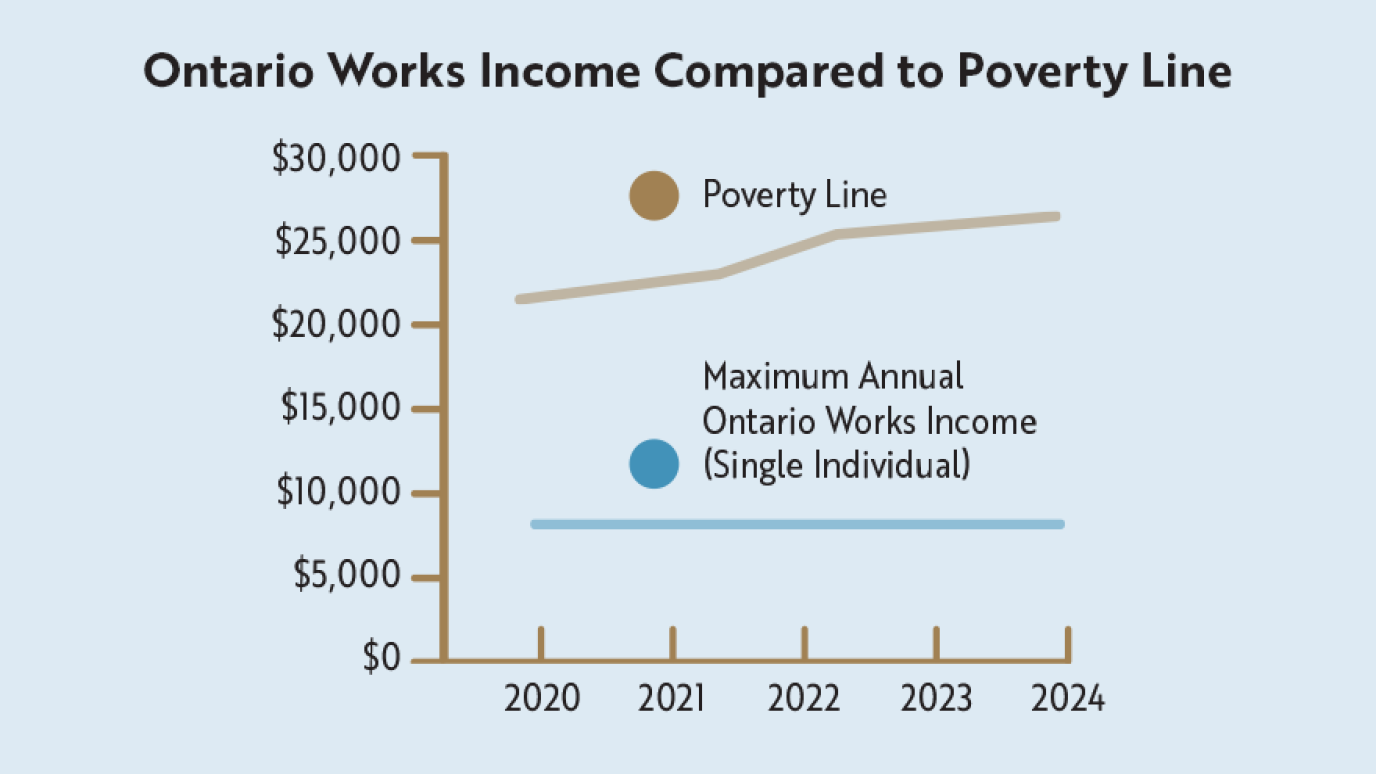
Frozen Rates: Frozen since 2018, Ontario’s social assistance rates are among the lowest in Canada, despite soaring living costs. In Wellington-Guelph, 4,215 recipients live in deep poverty, far below the poverty line.
Poverty Trap: Current rules reduce benefits after $200/month in earnings, creating a poverty trap that discourages work. As a result, only 8% of local Ontario Works recipients report employment income.
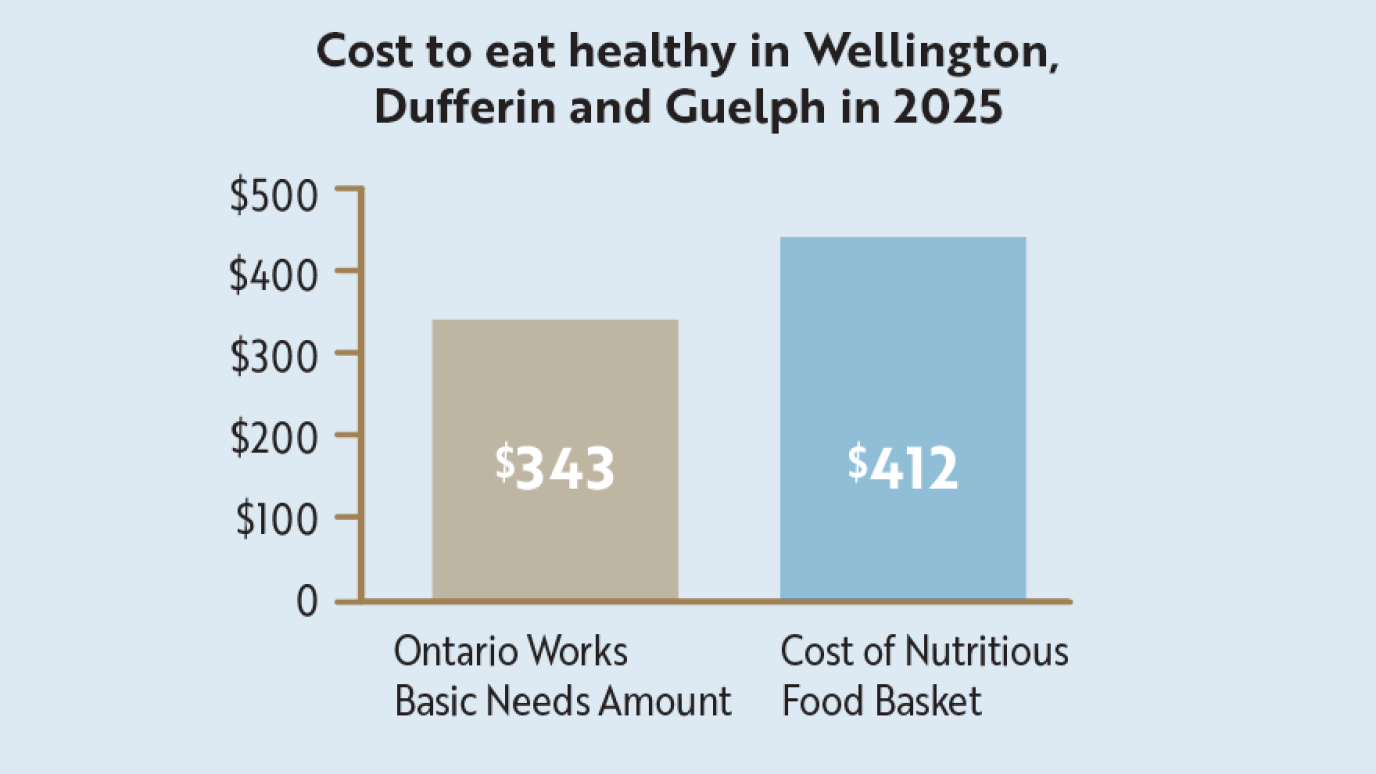
The Cost of Inaction: Health outcomes worsen and healthcare costs increase when individuals lack access to nutritious food and suitable housing.
What happens if nothing changes?

Without sustained and adequate investment from senior levels of government, County of Wellington and the City of Guelph will continue to face growing pressures on locally funded social services. We will see:
- Increased municipal tax pressure
- Longer shelter stays and higher emergency costs
- Reduced workforce participation
- Downstream healthcare costs
Explore the tools and resources below to better understand local needs and advocate for sustainable solutions.